
How Commercial Cladding Cleaning Protects Your Building from Long-Term Damage
How Commercial Cladding Cleaning Protects Your Building from Long-Term Damage
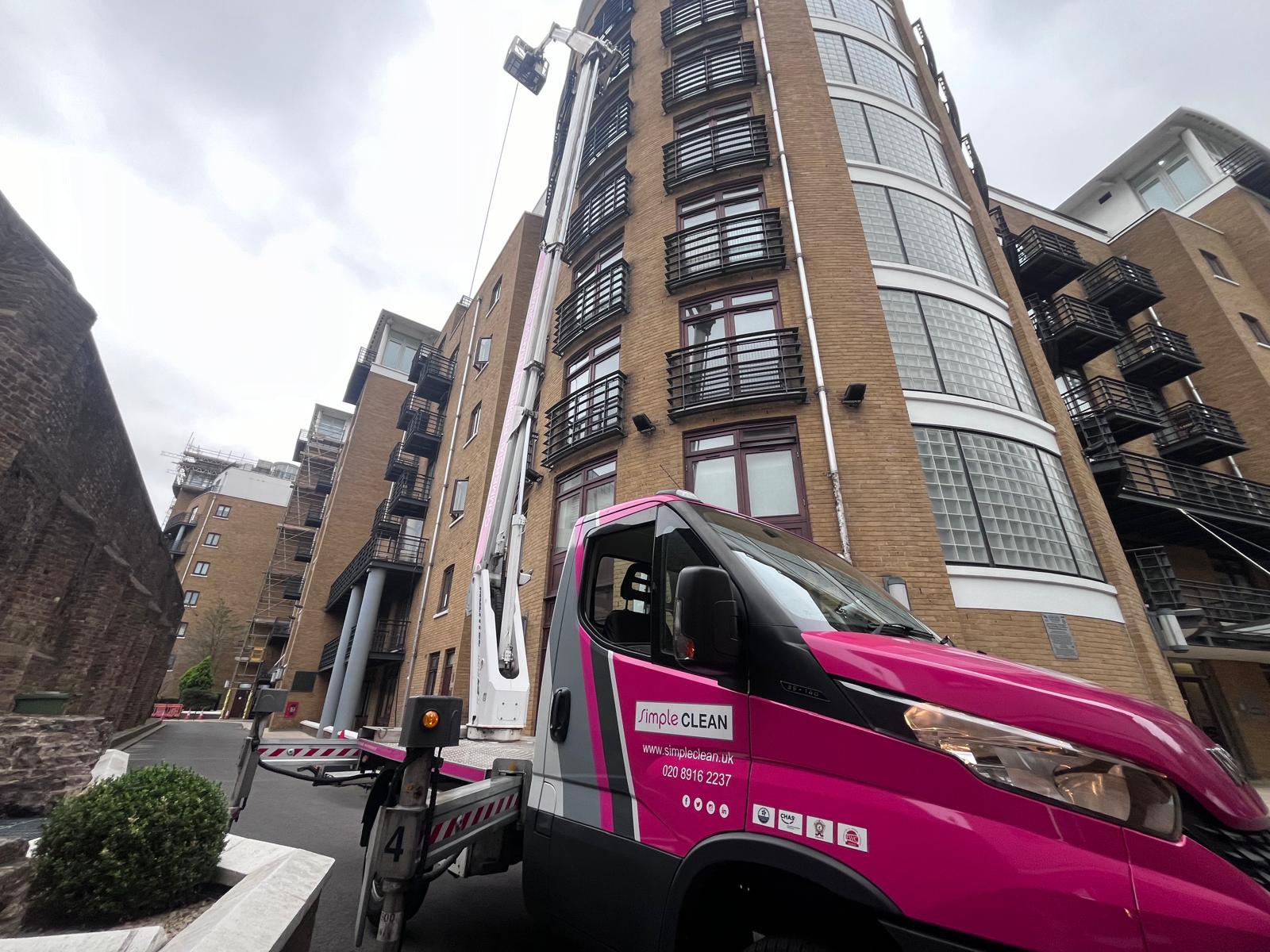
Cladding plays a crucial role in how a commercial building looks, performs and lasts. Whether it’s aluminium composite panels, steel sheeting, uPVC or specialist architectural materials, cladding is designed to protect the structure beneath while presenting a professional image to the outside world. Yet many businesses underestimate just how much damage can occur when exterior surfaces are neglected.
Over time, dirt, pollution, traffic film, algae, mould and airborne contaminants build up on cladding systems. This build-up does not just make a building look tired — it can actively shorten the lifespan of the materials and lead to avoidable repair bills. For facilities managers, commercial landlords and property management companies, regular professional cladding cleaning is not a cosmetic luxury; it is a core part of long-term asset protection.
The Types of Contamination Affecting Commercial Cladding
Commercial buildings are exposed to far harsher environments than most people realise. Urban locations are affected by traffic pollution and industrial fallout, while coastal or rural sites face salt deposits, biological growth and mineral staining. These contaminants settle into the surface of the cladding and begin to react with it.
Common issues include:
-
Atmospheric pollution staining, particularly on light-coloured panels
-
Algae and mould growth, especially on shaded elevations
-
Oxidation and corrosion, which can spread underneath surface coatings
-
Oil, grease and carbon deposits around loading bays and plant areas
Once these contaminants embed into the cladding, simple rinsing is no longer effective. Specialist cleaning techniques are required to remove them safely without damaging protective coatings.
How Dirt Causes Long-Term Structural Damage
Cladding is often coated with protective layers designed to resist moisture and UV exposure. However, when dirt, grime and biological growth are allowed to remain in place, they trap moisture against the surface. This creates the perfect conditions for corrosion, surface pitting and breakdown of sealants.
Over time, this leads to:
-
Paint failure and peeling finishes
-
Deterioration of fixings and joints
-
Water ingress behind panels
-
Loss of insulation performance
What begins as minor discolouration can eventually become a full cladding replacement project — a cost that can run into tens or hundreds of thousands of pounds for large commercial premises.
The Financial Impact of Deferred Cleaning
One of the biggest misconceptions in commercial property maintenance is that delaying cleaning saves money. In reality, it does the opposite.
A routine cladding cleaning programme is a fraction of the cost of:
-
Panel replacements
-
Recoating and repainting programmes
-
Emergency water damage repairs
-
Insurance claims due to façade failure
Facilities teams often operate under tight budgets, but preventative maintenance delivers measurable return on investment. Clean cladding systems remain functional for longer, maintain manufacturer warranties, and reduce the likelihood of sudden capital expenditure.
Professional Cleaning vs DIY Approaches
Some organisations attempt to clean cladding using in-house maintenance staff or general pressure washing contractors. Unfortunately, this often leads to accidental damage.
High-pressure washing can:
-
Strip protective coatings
-
Drive water behind panels
-
Dislodge seals and fixings
-
Create patchy or streaked finishes
Professional commercial exterior cleaning specialists use soft washing systems, low-pressure chemical applications and material-specific detergents designed to remove contamination without harming the surface. This ensures that the cladding is cleaned thoroughly while preserving its protective properties.
Protecting Brand Image and Occupant Perception
The appearance of a commercial building directly influences how a business is perceived. Clients, partners and staff form opinions before they ever walk through the door.
Streaked, stained or algae-covered cladding suggests:
-
Poor maintenance standards
-
Reduced attention to health and safety
-
A lack of investment in the workplace
For multi-tenant office buildings, retail parks and industrial estates, exterior presentation affects lettability and rental value. Clean, well-maintained façades support higher occupancy levels and make marketing space significantly easier.
Health, Safety and Compliance Benefits
Neglected cladding can also present safety risks. Algae growth creates slippery surfaces around entrances, loading bays and fire exits. Corroded panels and loose fixings may become unstable in high winds, creating hazards for pedestrians and vehicles below.
Regular professional cleaning inspections allow early identification of:
-
Loose panels
-
Failing sealants
-
Deteriorating fixings
-
Areas of trapped moisture
This supports compliance with building safety regulations and helps demonstrate duty of care to insurers, auditors and regulatory bodies.
Environmental Considerations
Modern commercial cleaning contractors use environmentally responsible methods. Biodegradable detergents, controlled chemical application and water recovery systems reduce environmental impact while delivering superior results.
This is particularly important for businesses working towards sustainability goals or operating within environmentally sensitive areas.
Creating a Planned Cladding Maintenance Programme
Rather than reacting to problems once they become visible, leading facilities managers implement scheduled cladding cleaning programmes. These are typically carried out annually or bi-annually, depending on the building’s exposure and environment.
A structured plan includes:
-
Full site survey
-
Material identification
-
Selection of appropriate cleaning methods
-
Scheduled maintenance visits
-
Post-cleaning inspection reports
This proactive approach extends the lifespan of cladding systems and provides clear documentation for asset management purposes.
Long-Term Value Protection
Commercial property is a long-term investment. Protecting the building envelope protects the asset itself. Clean, well-maintained cladding enhances durability, prevents hidden deterioration and ensures the building continues to perform as designed.
For any organisation responsible for commercial buildings — from single office sites to large industrial portfolios — cladding cleaning is not an optional extra. It is a critical maintenance discipline that safeguards value, supports safety and keeps operating costs under control.
