
The Hidden Risks of Neglecting Gutter and Roof Cleaning on Business Premises
The Hidden Risks of Neglecting Gutter and Roof Cleaning on Business Premises
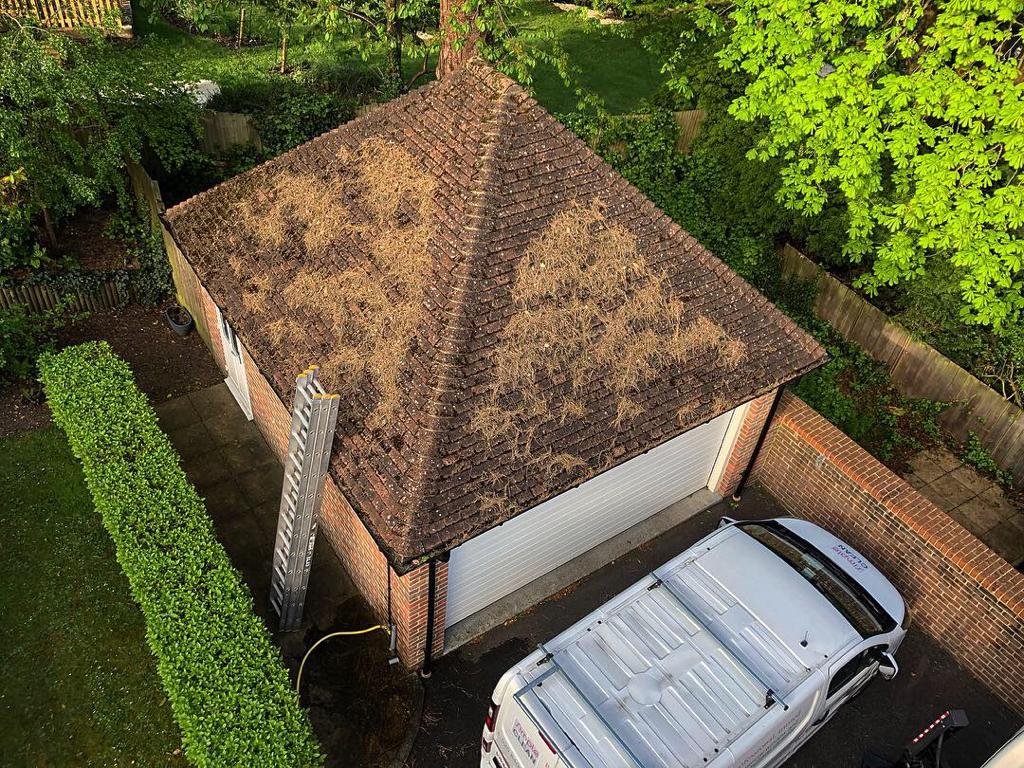
Gutters and roofs are two of the most overlooked elements of commercial building maintenance. Because they are out of sight, they are often out of mind — until something goes wrong. For many businesses, the first sign of a problem is a leaking ceiling tile, a flooded entranceway or a sudden repair invoice that could have been avoided entirely.
For facilities managers, landlords and property owners, routine gutter and roof cleaning is not a cosmetic job. It is a fundamental part of protecting the building structure, preventing health and safety hazards and maintaining compliance with insurance and lease requirements.
How Blocked Gutters Damage Commercial Buildings
Gutters are designed to collect rainwater and channel it safely away from the roof and building fabric. When they become blocked with leaves, moss, silt and debris, that water has nowhere to go.
Instead, it:
-
Overflows down the building façade
-
Soaks into brickwork and cladding joints
-
Backs up under roof coverings
-
Pools on flat roofs
Over time, this trapped moisture causes slow but serious damage. Insulation becomes saturated, timbers weaken, metal components corrode and mould develops inside ceiling voids.
What begins as a blocked downpipe can eventually lead to internal water damage that disrupts operations, damages stock or forces tenants to vacate areas of the building.
Flat Roofs: A Particular Risk for Commercial Properties
Many commercial premises are built with flat or low-pitch roofing systems. While these are efficient and cost-effective, they are also far more vulnerable to debris build-up than pitched roofs.
Leaves, bird droppings, silt and even airborne litter accumulate on flat surfaces, blocking outlets and creating standing water. This is known as ponding and it places constant pressure on roofing membranes.
Over time, ponding causes:
-
Premature breakdown of waterproof layers
-
Cracking around joints and seams
-
Water ingress beneath insulation
-
Increased structural loading
Routine roof cleaning removes this build-up and ensures drainage outlets remain fully operational.
The Cost of Reactive Maintenance
Many organisations operate in reactive mode — only calling for help when a visible problem occurs. Unfortunately, by the time water has made its way inside a building, the damage is already well advanced.
Emergency roof repairs are expensive, disruptive and often involve:
-
Out-of-hours contractor call-outs
-
Temporary sealing works
-
Internal repairs to ceilings, electrics and flooring
-
Business downtime and lost productivity
By contrast, planned gutter and roof cleaning programmes cost a fraction of emergency remediation and can be budgeted for annually.
Health and Safety Implications
Blocked gutters do not just threaten the building — they also create hazards for the people using it.
Overflowing water can:
-
Freeze in winter, creating slip hazards at entrances
-
Cause moss growth on walkways and loading bays
-
Weaken masonry and cladding fixings
-
Lead to falling debris during heavy rainfall
In addition, water ingress into roof voids increases the risk of electrical faults and mould growth, which can affect indoor air quality and staff wellbeing.
Insurance and Compliance Risks
Many commercial insurance policies include clauses requiring routine maintenance of the building envelope. If water damage occurs and insurers discover that gutters and roofs have not been maintained, claims may be reduced or even rejected.
Facilities managers are increasingly required to demonstrate:
-
Planned preventative maintenance schedules
-
Inspection records
-
Proof of contractor competency
A structured gutter and roof cleaning programme provides this documentation and supports compliance with lease obligations and building management standards.
Why Professional Cleaning Matters
Cleaning gutters and roofs on commercial premises is not a simple DIY task. These works involve working at height, specialist equipment and knowledge of different roofing materials.
Professional commercial cleaning contractors use:
-
Access systems such as MEWPs or rope access
-
Industrial vacuum systems for safe debris removal
-
Low-pressure washing methods for delicate membranes
-
Site-specific risk assessments and method statements
This ensures the job is carried out safely, efficiently and without compromising the integrity of the roof system.
Preventing Long-Term Structural Damage
When water is allowed to penetrate behind the scenes, it quietly erodes the building’s structure. Steel beams begin to corrode, timber joists rot and insulation becomes ineffective.
Left unchecked, this leads to:
-
Increased heating costs
-
Loss of thermal performance
-
Unplanned capital works
-
Reduced property value
Routine roof and gutter maintenance is therefore not simply about preventing leaks — it is about protecting the entire structural framework of the building.
Creating a Planned Maintenance Programme
The most effective approach is to integrate roof and gutter cleaning into a wider facilities management plan. Most commercial buildings benefit from cleaning at least once or twice per year, with additional inspections following storms or heavy leaf fall.
A robust programme includes:
-
Full site survey and asset register
-
Scheduled cleaning visits
-
Post-clean inspection reports
-
Photographic documentation
This allows facilities teams to plan budgets accurately and deal with emerging issues before they escalate.
A Small Task with Big Consequences
Gutters and roofs might not be the most glamorous part of a commercial property, but they are among the most important. Neglecting them puts the entire building at risk.
By investing in routine professional cleaning, businesses protect their premises, safeguard their occupants and avoid the disruption and expense that come with preventable damage.
